2026 How to Choose the Best Residential Garage Doors for Your Home?
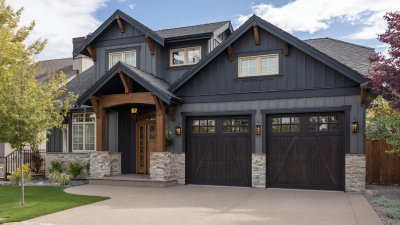
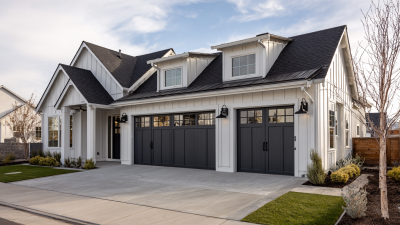
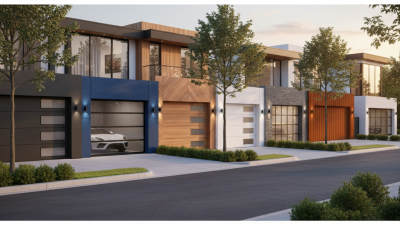
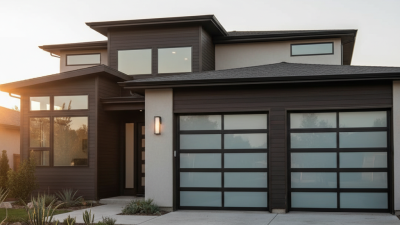
When it comes to enhancing your home's curb appeal, choosing the right residential garage doors is essential. These doors do more than just provide access to your garage; they influence the overall aesthetic of your home. Your garage door can serve as an eye-catching feature or blend seamlessly with your exterior design.
However, selecting the perfect residential garage doors can be challenging. There are various materials, styles, and colors to consider. Each option has its benefits and drawbacks. Some homeowners may feel overwhelmed by the choices available. It's easy to make a decision based solely on appearance without considering other important factors.
Think about the functionality, durability, and security of your potential garage doors. Reflect on your lifestyle needs. Are you looking for energy efficiency? Do you have children or pets that require added safety? Taking time to evaluate these elements can lead to a more satisfying choice. Residential garage doors should be both practical and complement your home’s character.
Factors to Consider When Choosing Residential Garage Doors
Choosing the best residential garage door is not a simple task. You need to consider various factors. One of the most important is the material.
Steel, wood, and fiberglass each have unique benefits. Steel is durable but may rust. Wood offers aesthetic charm but requires maintenance. Think about the climate too. Different materials respond differently to temperature changes.
Next, consider the style. Your garage door should complement the architecture of your home. Traditional doors suit classic homes well. Modern styles appeal to contemporary designs. Don't forget about insulation. An insulated door can save energy and reduce noise. This is especially significant in extreme weather conditions. A poorly insulated door may lead to higher heating costs.
Finally, ensure you assess the security features. A garage is often a point of entry for your home. A strong door locks automatically for your convenience. However, not all doors are equally secure. Reinforced designs tend to be safer. Think about how many times you use it daily. You want a door that balances function and style effectively.
Types of Garage Doors: Pros and Cons of Each Style
Choosing a garage door is a big decision. Different types offer unique benefits. Each style has its own drawbacks, too.
For example, sectional doors are popular. They slide up in sections and save space. However, the tracks can get clogged with dirt. Maintenance can be a hassle. On the other hand, swing-out doors look charming. They provide a classic feel. But, they require space to swing open. Some homeowners find this inconvenient.
Another option is roller doors. They roll up neatly and fit snugly. Their sleek design suits modern homes. Yet, their security can be questionable. Many prefer doors with better locking systems. Then there are tilt-up doors. They operate with a simple tilting mechanism. They can be cost-effective but lack the aesthetic appeal of other styles. In the end, weighing these factors is essential. It’s a decision worth careful consideration.
Material Options for Garage Doors: Key Features and Benefits
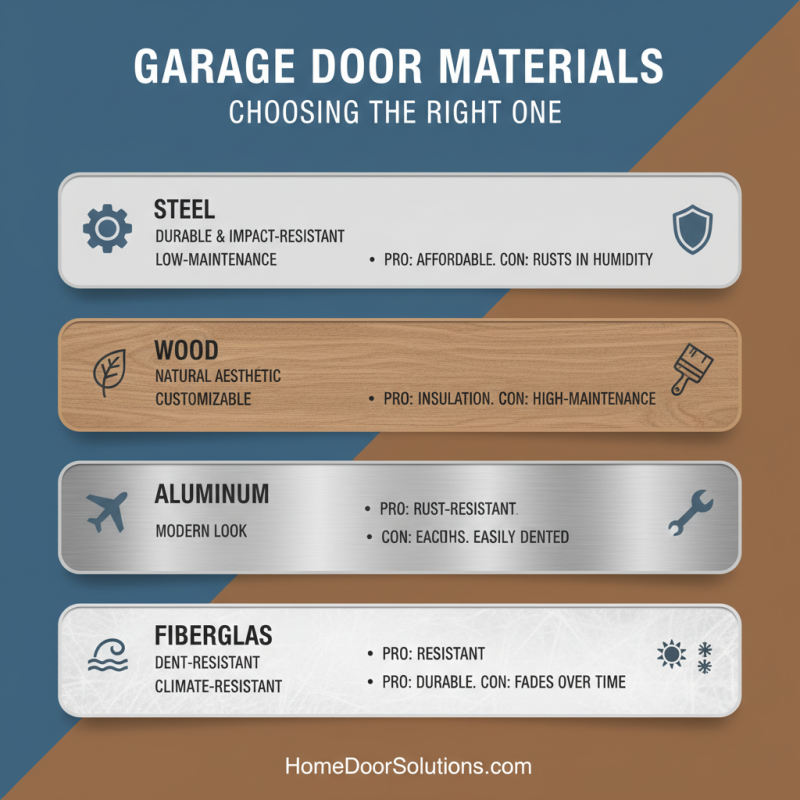
When selecting garage doors, the material plays a crucial role. Common options are steel, wood, aluminum, and fiberglass. Steel doors offer durability and resistance to impact. They are also low maintenance, which many homeowners appreciate. However, they can be prone to rust in humid climates.
Wood doors add a classic aesthetic and warmth to your home. They are customizable but demand regular upkeep. Weather can impact their lifespan. Aluminum is lightweight and resistant to corrosion, ideal for coastal areas. Yet, it may not provide the same insulation as other materials. Finally, fiberglass doors are versatile and mimic the look of wood without the major maintenance concerns. Still, their cost can be a barrier for some buyers.
Choosing the right material requires balancing aesthetics, durability, and maintenance. Each material has advantages and drawbacks. An informed decision should consider your home’s style and your lifestyle. What looks good today may require different care tomorrow. Always think ahead before making a choice.
Energy Efficiency in Garage Doors: What You Need to Know
Energy efficiency in garage doors is a crucial factor for homeowners today. According to the Department of Energy, improperly insulated garage doors can lead to energy loss of up to 20%. This means your heating and cooling systems work harder, increasing energy bills. Choosing a well-insulated door can help minimize this energy waste. Look for doors with a high R-value, which indicates better insulation performance.
Also, gaps and cracks can worsen energy efficiency. Regularly inspecting and sealing these imperfections is essential. Over time, weatherstripping can wear out. Replacing it promptly can prevent drafts. Many homeowners overlook this simple maintenance task. It can save a significant amount on energy bills. According to a study, proper sealing can enhance overall energy efficiency by as much as 15%.
Not all garage doors are created equal. Consider materials that provide natural insulation. Steel doors with insulating cores are often recommended. However, they also need to be checked for energy efficiency ratings. Take time to research options. An informed choice can make a noticeable difference in energy savings.
Cost Considerations: Budgeting for Your Garage Door Purchase
When budgeting for a new garage door, understanding costs is crucial. Prices can vary widely depending on materials, styles, and installation. Steel doors generally cost less than wood or fiberglass. However, wood offers a beautiful finish that may justify a higher price. Don't ignore the long-term maintenance costs as well.
Tips to save money include searching for seasonal discounts or promotions. Installing the door yourself can also cut costs. However, ensure you have the right tools and skills. For some, this may lead to mistakes that are more costly in the long run.
Consider the cost of additional features. Insulation can save you money on energy bills. However, it adds to the initial price. Always weigh these long-term benefits against upfront expenses. Remember that choosing the cheapest option might lead to regrets later on.
2026 Residential Garage Door Cost Considerations